
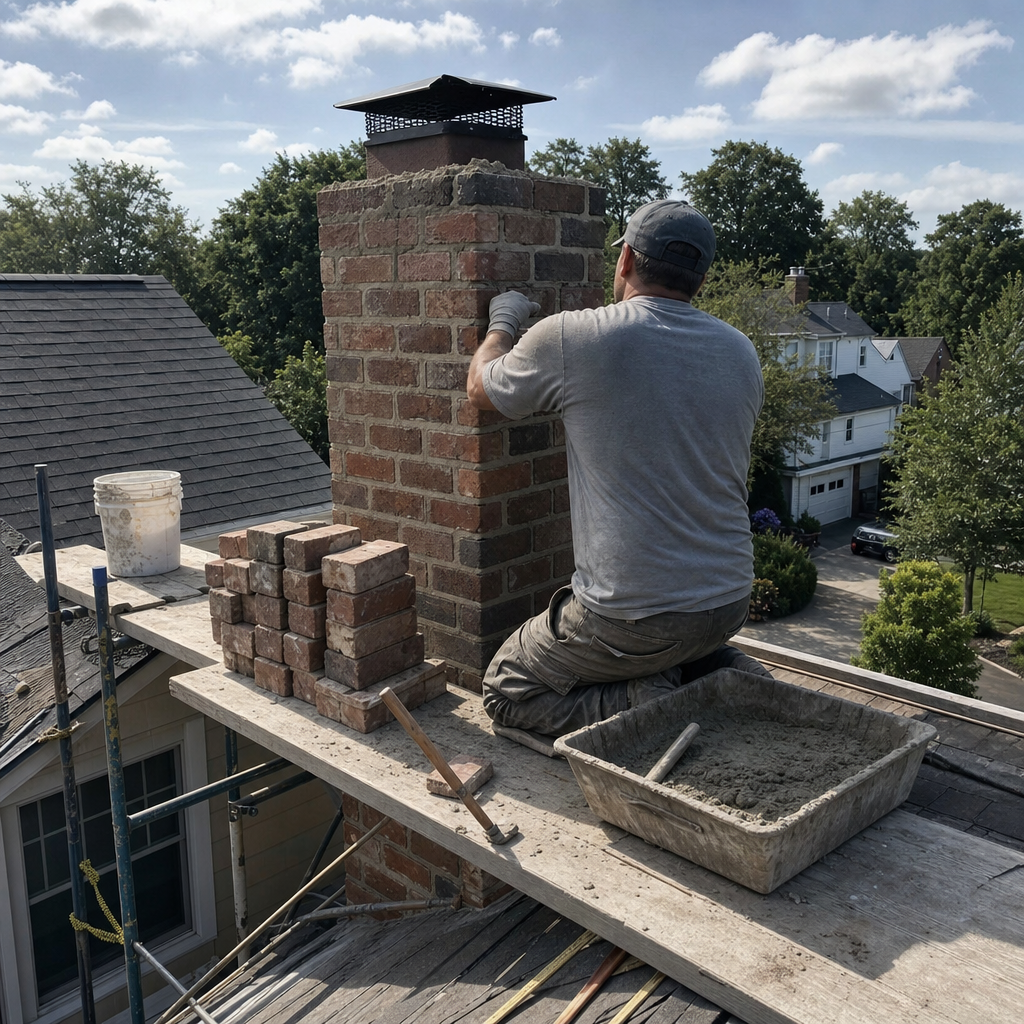
Fast, Reliable Chimney Liner & Rebuild Across New York City
Chimney liner replacement and rebuild work in New York City typically runs $2,800–$8,500 depending on flue count, access difficulty, and whether the project ties to a mandated boiler conversion. Most inspections happen within 24–48 hours, with relining jobs scheduled once any required DOB permits clear. Call (866) 884-9512 for a free estimate.
We’ve spent 17 years working on New York City chimneys—from Park Slope brownstones with four-flue shared stacks to Financial District high-rises with sealed decorative fireplaces. Robert Garcia, our owner, still climbs every roof and scopes every flue personally. If you’re dealing with a failed terra cotta liner, a gas conversion reline, or a chimney crown that’s letting water into your neighbor’s flue too, we’ve handled it. Our Chimney Liner & Rebuild team knows the difference between a routine reline and a job that needs DOB coordination.
Why Apex Chimney Cleaning Greater New York Is New York City’s Preferred Chimney Liner & Rebuild Company
Robert Garcia has been the lead technician on every Apex job for 17 years. When you call, you get the owner on your roof—not a subcontractor learning your building on the fly. That matters in New York City, where a single brownstone chimney stack might serve three separate units and crossing four neighbors’ bulkheads is sometimes the only way to access it.
Our 1,096 verified reviews average 4.7 stars, and a significant share come from Brooklyn and Manhattan homeowners who needed relining work tied to boiler conversions. They mention specifics: Robert explained why their shared flue needed individual liners. He spotted the abandoned flue that was letting rainwater destroy the mortar. He coordinated with their licensed master plumber on DOB paperwork.
We respond to New York City calls within 24 hours because we’re already here—not dispatching from Westchester or New Jersey with a two-hour buffer. That speed matters when a failed liner is backing carbon monoxide into a rental unit or when a DEP inspection deadline is approaching.
Our Chimney Liner & Rebuild Services in New York City
Stainless Steel Liner Installation
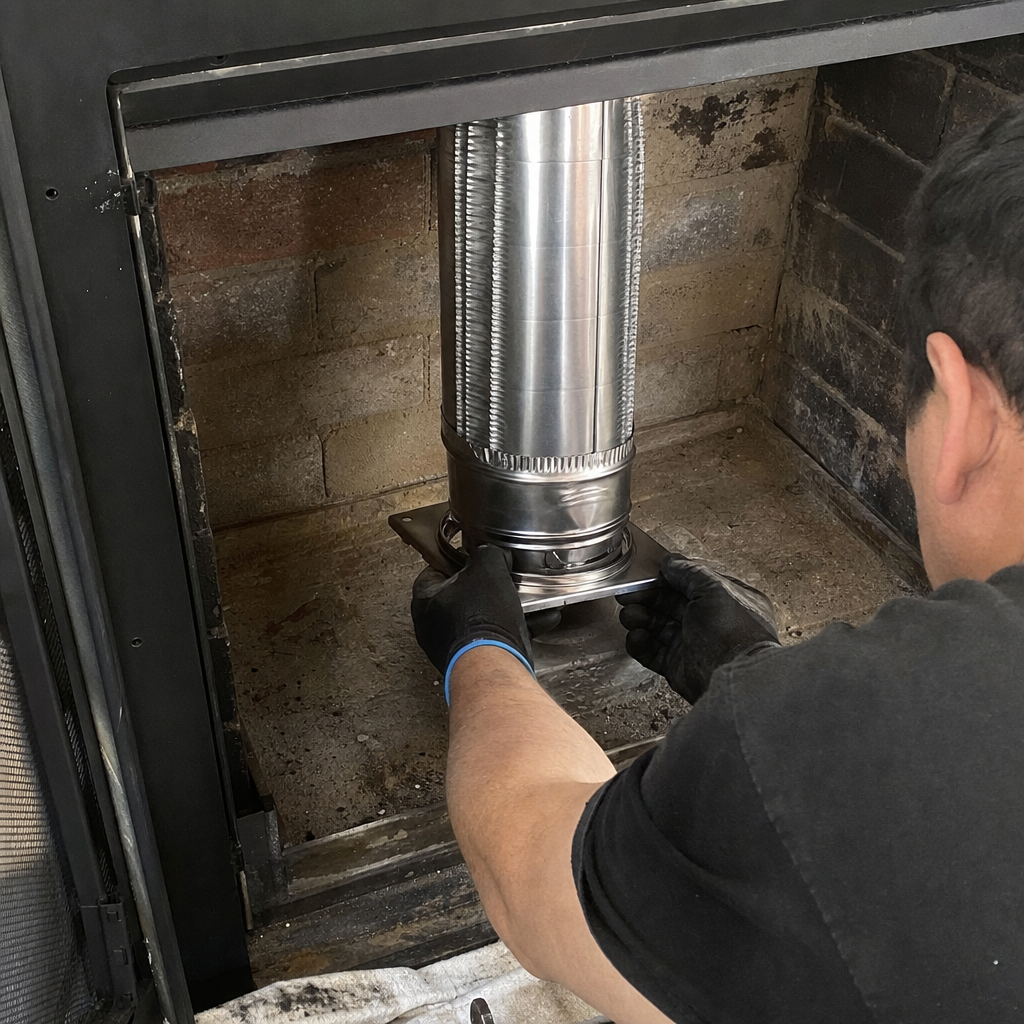
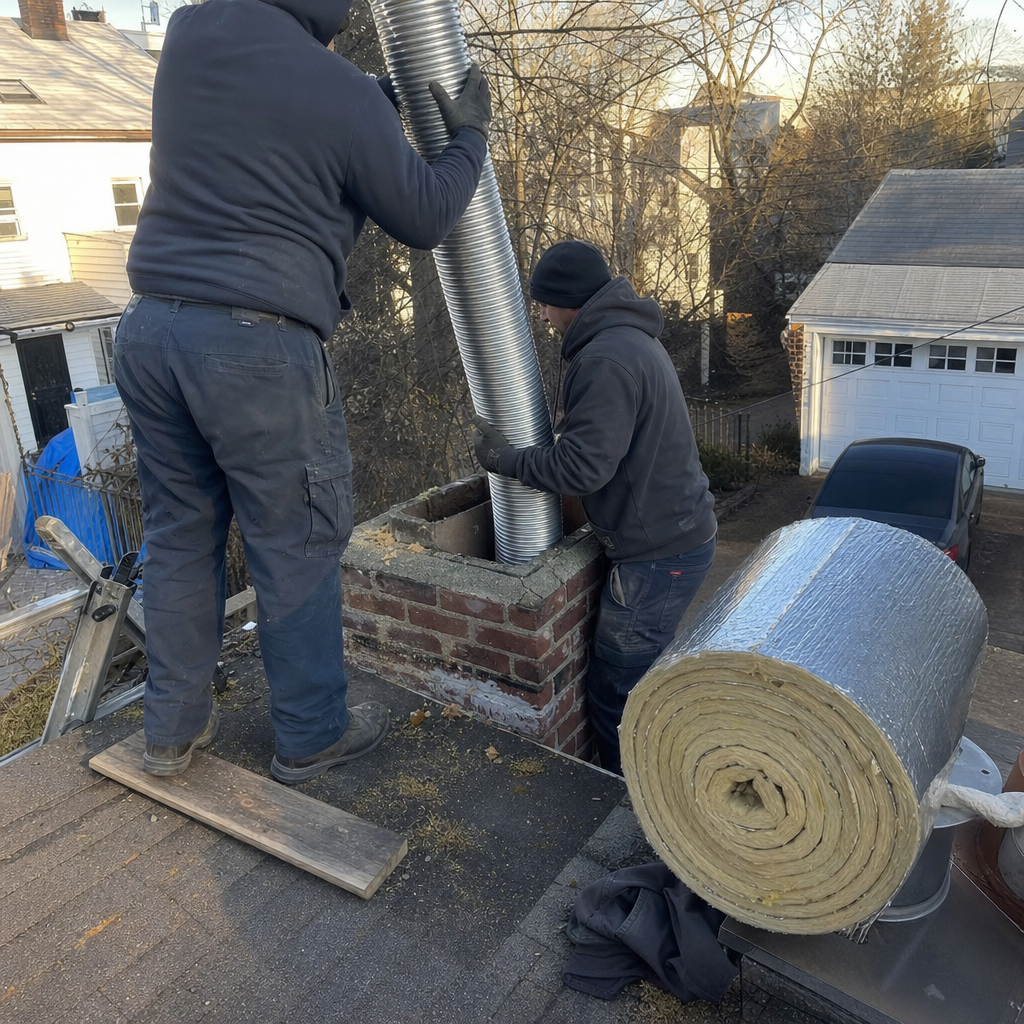
Stainless steel liners are our most common install in New York City for gas boiler conversions under Local Law 43. We use DuraFlex and Olympia Chimney rigid and flexible systems rated for the specific appliance—critical because a gas boiler produces cooler, wetter flue gases than the coal or #6 oil these chimneys were originally built for. In a recent Harlem walk-up, we ran a 316Ti stainless liner down a flue that had been serving a heavy-oil boiler since 1962. The original terra cotta was glazed and spalled beyond salvage. The new liner carries condensing gas exhaust safely and meets DEP requirements for the conversion.
Flexible Liner Systems
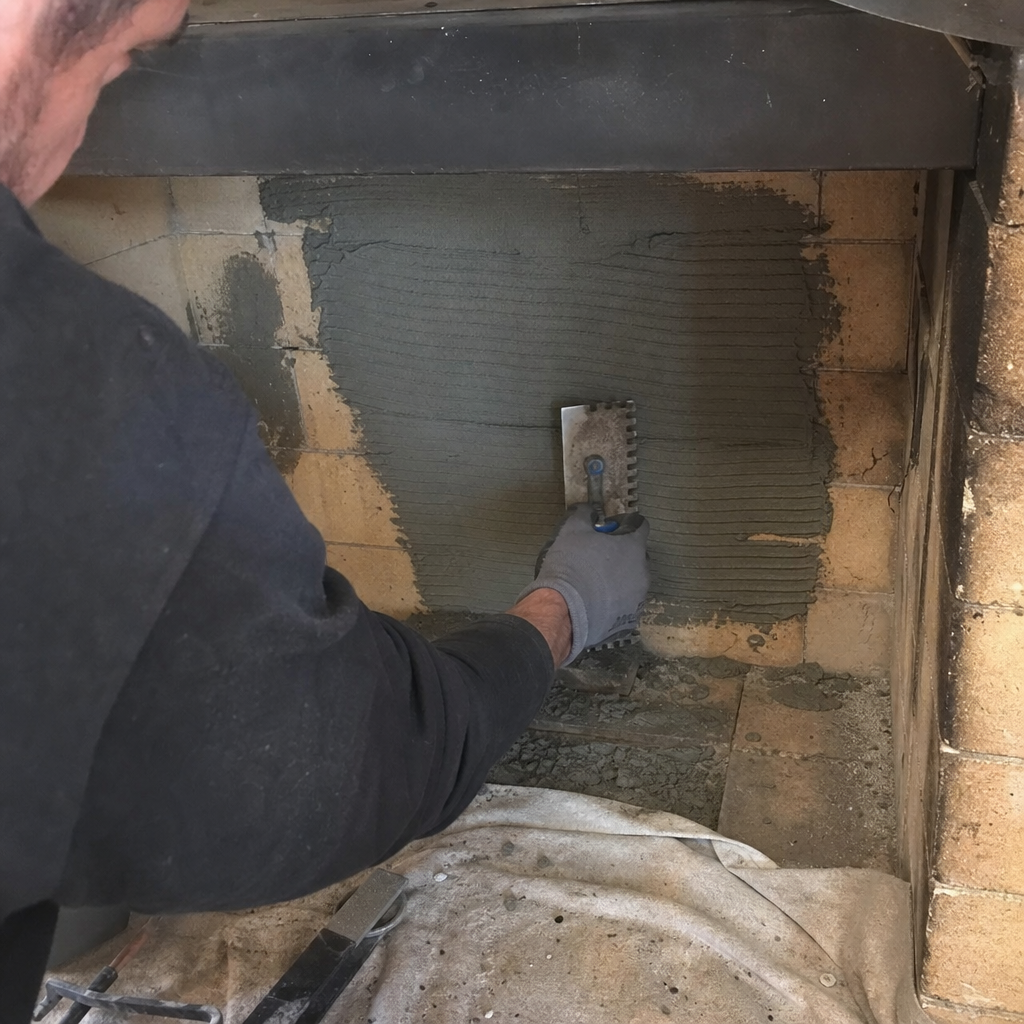
Flexible liners solve access problems that rigid pipe can’t touch. In Manhattan’s narrow chimney chases and Brooklyn’s offset flues with multiple bends, a DuraFlex flexible stainless liner navigates obstacles that would require destructive wall or mantel removal with rigid sections. We installed one last month in an East Village tenement where the flue turned 45 degrees at the second-floor ceiling to avoid a structural beam. Flexible was the only option that didn’t involve opening plaster in a rent-stabilized unit. For New York City’s pre-war housing stock, flexibility isn’t a convenience—it’s often the difference between a feasible reline and a $15,000 rebuild.
Liner Replacement
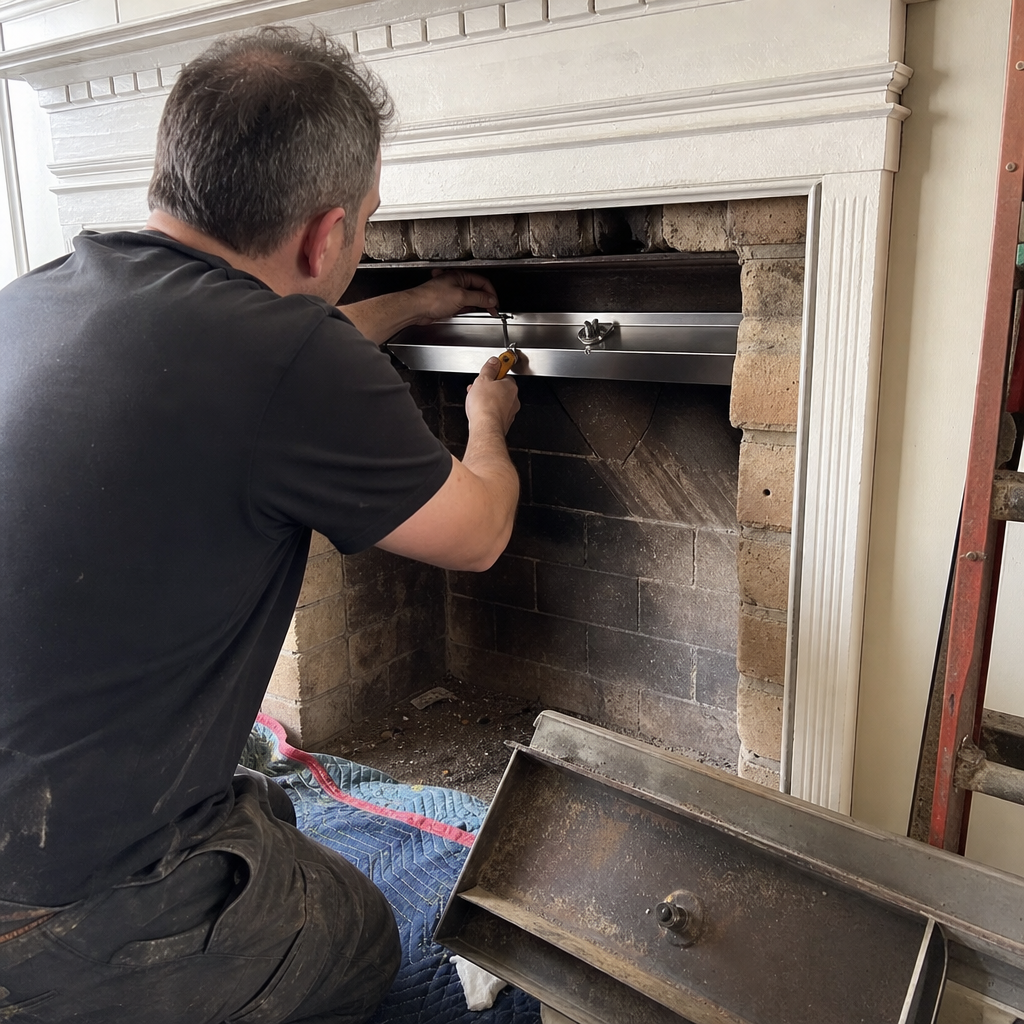
Full liner replacement becomes necessary when terra cotta has collapsed, glazed, or cracked to the point that patching is unsafe. In New York City, we see this most often in chimneys that served #4 or #6 oil for decades before conversion. The heavy sulfur content accelerated corrosion at the flue’s base and condensation line. We remove the failed material, inspect the surrounding masonry, and install a new system sized precisely for the current appliance. A liner that’s too large for a modern gas boiler will never achieve proper draft—an error we correct regularly on jobs started by less specialized contractors.
Partial Chimney Rebuild
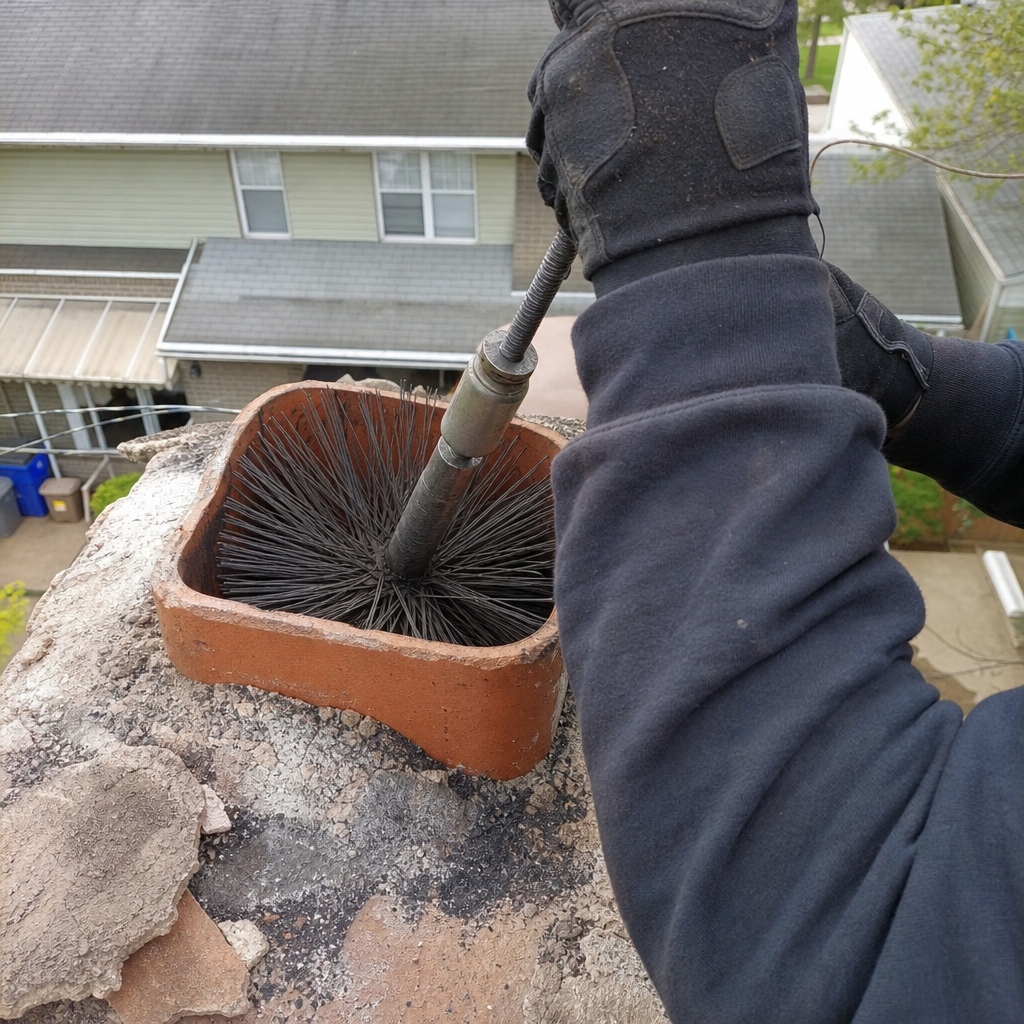
Partial rebuilds target the above-roofline section where New York City’s climate does its worst damage. The urban heat island creates sharper freeze-thaw cycles at the roofline than surrounding suburbs experience. Spalled brick, deteriorated mortar joints, and failed crowns let water into the flue system and adjacent walls. We rebuild crowns with proper slope and drip edges, repoint mortar with matching historic mixes where required, and replace damaged brick. In a Financial District job last winter, we rebuilt a crown that had been funneling water into three separate flues for two heating seasons—damage that started as a hairline crack and progressed to saturated interior walls.
What happens when you call
- 1
A real person answersNo phone trees — you reach a local pro.
- 2
You get an upfront price rangeHonest numbers before anyone is dispatched.
- 3
A background-checked tech heads outLicensed & insured, dispatched right away.
- 4
You approve before work beginsNothing starts until you say go.
Trusted Brands We Service in New York City
We install professional-grade materials from DuraFlex, HeatShield, and Famco—the same lines commercial chimney contractors specify for New York City’s institutional buildings. Robert Garcia selects systems based on flue dimensions, appliance type, and access constraints, not what’s cheapest to stock. We carry common diameters and fittings locally, so most New York City jobs don’t wait on shipping. When a Park Slope landlord needs a 6-inch flexible liner for a gas conversion deadline, or a Chinatown co-op board needs HeatShield cerfractory sealant for a cracked flue in a decorative fireplace, we’ve got the material on the truck.
Common Chimney Liner & Rebuild Problems We See in New York City Homes
- Collapsed terra cotta from heavy-oil service. Decades of #6 oil combustion glaze and spall original liners, especially at the flue base where condensation pools. We regularly scope flues in pre-war buildings where the terra cotta has fallen in chunks—blocking the flue entirely or creating channels for exhaust to leak into adjacent units.
- Abandoned flues becoming water entry points. Post-war co-ops and condos across Manhattan sealed decorative fireplaces when buildings converted to central steam heat, but never capped or relined the abandoned flues. Rainwater enters, freezes, and destroys mortar joints that connect to active flues. One leak spreads damage across multiple units.
- Improper gas conversion relining. Out-of-town crews sometimes install liners sized for oil appliances or skip the DOB sign-off required when relining ties to a boiler conversion. We correct these jobs: undersized liners that can’t handle condensing exhaust, or installations that fail inspection because the permitting step was ignored.
- Crown deterioration from urban freeze-thaw. NYC’s coastal humidity and heat-island temperature swings destroy chimney crowns faster than inland climates. A cracked crown on a shared brownstone stack doesn’t just damage one flue—it exposes every unit served by that chimney to water infiltration and liner failure.
Pricing for Chimney Liner & Rebuild in New York City, NY
| Service | Typical Range in New York City |
|---|---|
| Single-flue stainless steel liner install (gas conversion) | $2,800–$4,500 |
| Multi-flue flexible liner system (shared brownstone stack) | $4,200–$7,800 |
| Partial rebuild (crown, above-roofline brick, repointing) | $3,500–$6,200 |
| Full chimney rebuild with new liner | $8,500–$15,000+ |
| Chimney inspection with video scope | $250–$400 |
These ranges reflect actual New York City jobs we’ve completed. Costs run higher here than surrounding suburbs for clear reasons: rooftop access across multiple properties, DOB permit coordination for conversion-related relining, and the structural complexity of shared multi-flue stacks. A Park Slope brownstone with four flues and a sealed bulkhead door will cost more than a standalone suburban chimney with direct ladder access. We provide itemized, upfront estimates before any work begins—no open-ended billing. Call (866) 884-9512 to schedule your free inspection.
We Also Serve Cities Near New York City
Robert Garcia and our team regularly work in Chinatown, Manhattan, the Financial District, and the East Village—often crossing between multiple neighborhoods in a single day. Whether you’re in a Canal Street walk-up, a Wall Street co-op, or a pre-war tenement near Tompkins Square Park, we understand the access constraints and building-specific issues that affect liner and rebuild work in each area.
Serving New York City, NY — Our Local Coverage Area
We’re based in the New York City area and know this community well. Use the map below to see our service coverage — if you’re nearby, we can almost certainly help.
FAQs — Chimney Liner & Rebuild in New York City
No. Only the flue serving the converted appliance must be relined for the new fuel type. However, we strongly recommend inspecting all flues in the shared stack, since deterioration in one often signals problems in others—and an abandoned or failed neighboring flue can leak moisture or exhaust into your unit. We scope every flue in shared stacks and document condition for all owners. Call (866) 884-9512 to schedule a multi-unit inspection.
Local Law 43 of 2011, enforced by DEP rules, mandates phasing out #6 and #4 heavy heating oil in New York City buildings. If you’re converting from oil to gas, your chimney likely needs relining because gas produces cooler, more corrosive exhaust that damages old terra cotta and requires a properly sized stainless or flexible liner. The reline must also be signed off by a licensed master plumber or registered design professional as part of DOB permitting—a step many out-of-area contractors miss. We’ve coordinated hundreds of these conversions.
Sealed decorative fireplaces typically don’t need a functional liner if truly abandoned and properly capped. However, many “sealed” fireplaces in New York City co-ops were simply closed off without capping the flue, allowing rainwater and pests to enter and deteriorate mortar that connects to active building systems. We inspect with a video scope to determine if the flue is properly abandoned or if it’s become a moisture entry point threatening adjacent structure. Call (866) 884-9512 for a scope inspection.
Yes. We use flexible liner systems and specialized pulling equipment that allows installation from the roof or a small access point, avoiding interior demolition in most cases. For flues with extreme offsets or structural obstacles, we coordinate with preservation-experienced masons when minimal interior access is unavoidable. Robert Garcia assesses each brownstone individually—he’s relined chimneys in landmark districts where any interior work required LPC review.
We inspect with a video scope, measure the flue and new appliance output, specify the correct liner diameter and material, and coordinate with your licensed master plumber on DOB sign-off. In walk-up tenements, we often work around tenant schedules and limited rooftop access—sometimes crossing neighboring bulkheads when the building’s own roof door is sealed. The actual liner install typically takes one day for a single flue. Call (866) 884-9512 to start with a scope and estimate.
Written by Robert Garcia, Owner at Apex Chimney Cleaning Greater New York, serving New York City since 2007.